


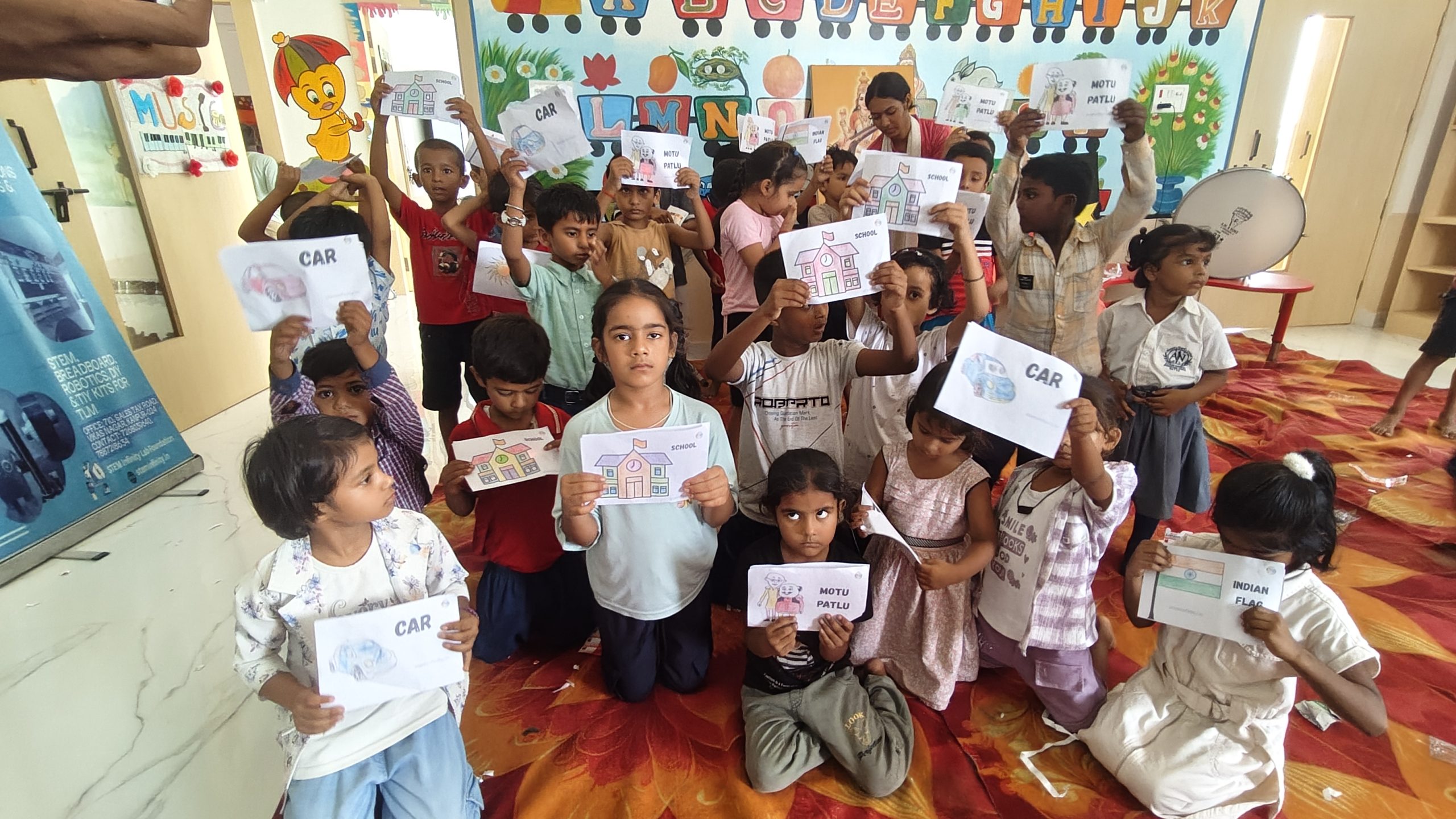
Communication skills are one of the most important abilities a child can develop. These skills help children express their thoughts, build confidence, make friends, and succeed academically and socially. Schools play a major role in helping children improve both verbal and written communication from an early age.
1. Classroom Discussions Build Confidence
Teachers encourage students to:
- Answer the question in class
- Share opinions and ideas
- Participate in discussions
- Present their thoughts in front of classmates
These activities help children become more confident speakers and reduce hesitation while communicating.
2. Group Activities Improve Interaction Skills
Schools regularly organize:
- Team projects
- Group assignments
- Classroom games
- Collaborative learning activities
Such activities teach children how to:
- Listen carefully to others
- Share ideas respectfully
- Work together as a team
- Solve problems through communication
3. Extracurricular Activities Encourage Expression
Activities like:
- Debates
- Srorytelling
- Drama and theatre
- Music and dance performances
- Public speaking competitions
help children express themselves creatively and confidently. Students gradually become comfortable speaking and performing in front of others.
4. Reading and Writing Strengthen Communication
Schools encourage reading and writing habits through:
- Storybooks and library sessions
- Essay writing
- Creative writing activities
- Journals and classroom exercises
These habits help improve:
- Vocabulary
- Sentence formation
- Writing clarity
- Understanding of language
5. Supportive Teachers Make a Big Difference
A positive classroom environment helps children communicate freely. Good teachers:
- Encourage students instead of criticizing mistakes
- Motivate children to ask questions
- Help shy students participate
- Build confidence through appreciation
When children feel comfortable and valued, they communicate more openly.
6. Technology and Smart Learning Methods
Modern schools use:
- Smart classrooms
- Interactive presentations
- Language learning tools
- Audio-visual learning methods
These tools make learning engaging and help students communicate using modern educational techniques.
7. Social Environment Helps Children Grow
Schools allow children to interact with classmates from different backgrounds and personalities. This helps them:
- Build friendships
- Learn empathy and respect
- Improve social communication
- Adapt to different situations confidently
Conclusion
Schools play a vital role in improving children’s communication skills through classroom learning, teamwork, extracurricular activities, reading habits, and supportive teaching methods. A school that focuses on communication development helps children become confident, expressive, and socially strong individuals who are better prepared for future success.